
No products in the cart.
Is Your Garage Ready for Winter Workouts? Check Cold, Moisture, and Ventilation
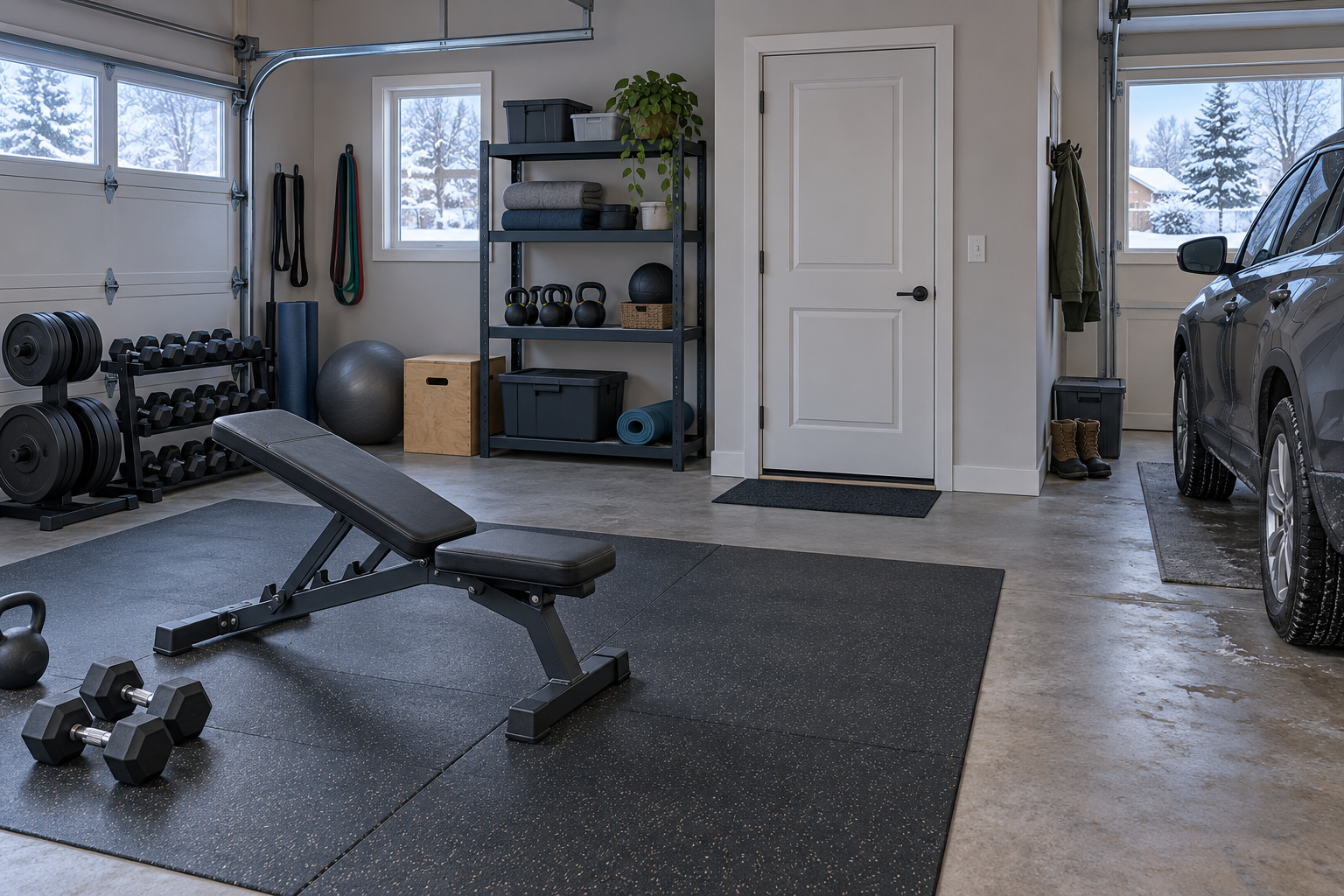
AI-generated illustrative cover: a generic garage-gym planning scene, not a product photo or a record of testing.
Quick answer: A garage is ready for winter workouts only when the temperature, floor, air, and equipment condition are suitable for the people using it. If the space is cold enough to cause shivering or clumsy movement, the floor is wet or icy, or a safe way to ventilate and heat the room is unclear, move the workout indoors or postpone it. An adjustable bench does not make an unheated garage safe.
When fall turns to winter, a garage gym can feel convenient because the equipment is already there. But a garage is often less insulated than the home, and a parked vehicle, damp concrete, and temporary heating can change the conditions. Do a short readiness check before moving a regular routine into the space.
Check the room before you check the workout
1. Decide whether the cold is manageable
There is no single temperature that makes every garage workout safe for every person. Conditions depend on how cold the room is, how long you will be there, what you are wearing, whether you are damp from sweat, and personal health factors. CDC/NIOSH notes that poorly insulated or unheated areas can expose workers to cold stress, and that risk varies by region and conditions. That is a reason to take a cold garage seriously, not a consumer workout temperature rule.
Start in a warm indoor room and consider whether you can move comfortably once outside. Keep dry layers nearby, and stop if you begin shivering, feel unusually tired, become clumsy, or have trouble thinking clearly. CDC identifies shivering, exhaustion, fumbling hands, confusion, and slurred speech among warning signs of hypothermia. If concerning symptoms appear, leave the cold space, get warm, and seek appropriate medical help. People with health conditions or concerns should ask a health professional what environment is suitable for them.
2. Look for water before placing equipment
Inspect the floor, the garage door edges, and walls for water, frost, or condensation. A damp slab can be slippery, and a wet towel or shoe can make a small workout area harder to manage. EPA explains that moisture can condense on cold surfaces and recommends promptly drying damp areas and controlling humidity. Wipe moisture, find its source, and do not set a bench or weight where it could shift on a slick surface.
Keep the bench and any accessories dry, and follow the seller’s care instructions for upholstery and frame. Do not assume an item is designed for freezing temperatures, damp storage, or outdoor use unless its documentation says so. Put away loose plates, cords, and tools so the warm-up and movement area stays clear.
Keep vehicle exhaust and unsafe heat out of the plan
Never run a car in an attached garage, even with the garage door open. The U.S. Consumer Product Safety Commission warns that carbon monoxide from a vehicle can build to dangerous levels in an enclosed space. Do not use a running vehicle as a way to warm the garage before exercising.
If the room needs heat to be usable, use only equipment that is suitable for that setting and follow its instructions and local requirements. CPSC says portable electric heaters should be plugged directly into a wall outlet, not a power strip, and their cords should not run under rugs. Never improvise with a stove, charcoal, or a generator in the garage. If you cannot heat and ventilate the area safely, choose a different workout location.
Keep the route between the garage and the house clear, and make sure a working carbon monoxide alarm is installed as directed for the home. An alarm is an extra layer of protection, not permission to run an engine or fuel-burning device in an enclosed space.
Use a repeatable winter setup
Before each session, check four things: the floor is dry and stable; the room is comfortable enough for the planned activity; no vehicle or combustion device is producing exhaust in or near the enclosed garage; and the equipment is clean and dry. Keep water and dry clothing within reach, and take breaks indoors if the room cools further during the session.
Afterward, wipe sweat from the bench according to its care instructions, dry any wet floor spots, and bring damp clothing into the house to dry. If condensation keeps appearing, address the source rather than covering it with a mat or storing equipment against the wet surface. EPA guidance on moisture is building advice; it does not certify a particular garage floor, gym layout, or piece of fitness equipment.
Where a weight bench fits
A bench can support a small set of indoor strength exercises, but its usefulness depends on the room and the user’s plan. Set it on a dry, level surface with room to get on and off without hitting stored items. The product listing and official image provide the bench’s identity and a size reference; they do not establish that it is weatherproof or suitable for a cold garage.
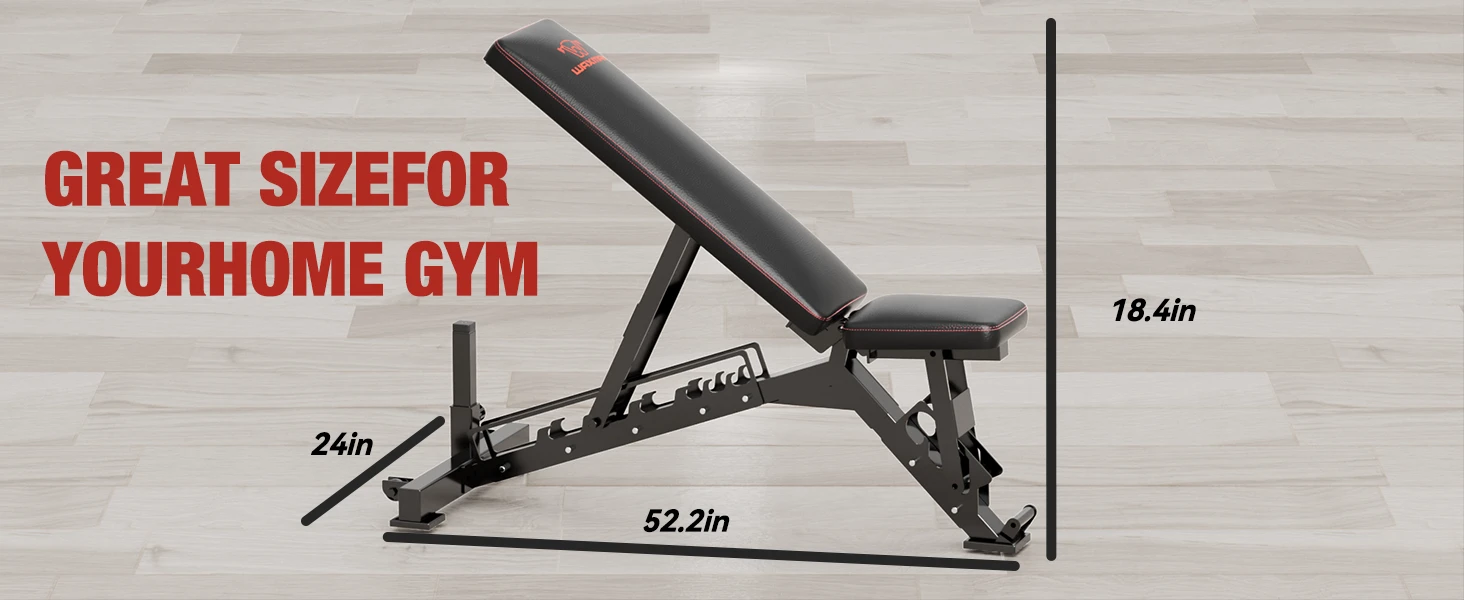
Waxman Adjustable Weight Bench
$269.00 USD on the official public Store API when checked. The product image lists a 52.2 × 24 × 18.4 inch size reference; confirm current product details and allow movement room around the bench. No cold-weather rating is listed in the checked product record.
Price checked October 6, 2026. Price and availability may change; see product page.
Bottom line: Treat the garage as a changing environment, not just an extra room. Check cold, dampness, exhaust, and footing before each workout, and move the session indoors when the space cannot be made comfortable and safe.
Leave a Reply