
No products in the cart.
How to Grip a Barbell Safely in a Cold Garage Gym
Short answer: If your garage is cold enough that your hands feel stiff or numb, do not start heavy barbell work yet. Warm yourself and the room, make sure your palms and the bar are dry, and test your grip on a light, controlled set. Skip gloves if they make the bar feel less secure. If your hands remain numb, clumsy, wet, or painful, move the session indoors or stop.
Cold-weather garage training creates a specific problem: a barbell depends on a reliable hand grip, while gloves, condensation, and chilled fingers can change how the bar feels. There is no universal room-temperature cutoff that makes a lift safe. Your hand sensation, equipment condition, clothing, and ability to control the bar matter more than a single number on a thermometer.
Why cold hands change the setup
Cold exposure can reduce hand comfort and dexterity. NIOSH advises protecting the hands and recognizing that cold stress varies with conditions and the person. That guidance is written for cold exposure generally, not a barbell-specific temperature rule, so use it as a reason to pay attention to hand function rather than as a lifting threshold. A grip that feels normal in a warm room may feel less certain when fingers are stiff, wet, or numb.
Gloves add another variable. A bulky or slick glove may reduce your feel of the knurling or shift under load. Thin gloves may work for some lifters, but they are not automatically safer. Choose based on a light test with the exact grip and implement you plan to use. If the glove wrinkles, slides, catches, or makes the bar harder to control, take it off before loading the bar—or choose another exercise.
A cold-garage grip check before loading
- Warm the space and yourself first. If practical, warm the garage before training. Wear dry layers that keep your torso and arms comfortable without restricting movement. Do a few minutes of easy, non-fatiguing movement indoors or in the warmer part of the space. A warm-up is not a substitute for being able to feel and control the bar.
- Check your hands and the bar. Make sure both are dry. Look for condensation, sweat, oil, or cleaning residue on the gripping area. Wipe the bar with a clean, dry cloth and let it dry fully. Do not use a bar that is wet or slippery.
- Test without a meaningful load. Hold the unloaded bar or use a light warm-up set with the same grip you intend to use. Open and close your hands, set your wrist position, and check that the bar does not rotate or shift unexpectedly. A test should be controlled and easy to put down.
- Add weight gradually. Use several manageable warm-up sets if needed. Each increase should still feel controlled. Do not use a cold-day session to test a personal record or make a sudden jump in load.
- Recheck between sets. Hands can cool while you rest. Dry them if needed, keep the bar dry, and reassess sensation and control before the next set. If grip confidence is declining, reduce the load, switch to a stable machine or bodyweight movement, or end the session.
Should you wear lifting gloves?
There is no one answer for every hand, glove, or lift. The useful question is whether the glove preserves a secure, repeatable grip on your own equipment. Try it first with an empty bar and then with a light load. Keep only a glove that fits closely, stays dry, does not bunch, and does not reduce control. Never assume a glove compensates for numb fingers or a slippery bar.
For exercises where a failed grip could drop a heavy bar, use appropriate rack safeties or a spotter when the exercise and equipment call for them. Set the safeties before lifting and confirm their position with a light rehearsal. If you cannot set up safely in the space available, choose a lower-risk variation. Follow the equipment manufacturer’s instructions for use and safety hardware.
When to move indoors or stop
Stop the set and get to a warmer place if you develop numbness, tingling, painful or unusually pale skin, persistent shivering, confusion, or worsening coordination. NIOSH lists numbness, pain, and pale or waxy-looking skin among warning signs associated with cold-related injury; seek medical care for concerning symptoms. This article is general training information, not medical advice.
Even without those warning signs, move the workout indoors if your hands do not regain normal sensation, if you cannot keep the bar dry, or if cold makes your setup rushed. A shorter indoor session is a better choice than adding load when grip quality is uncertain.
Equipment note
If you are checking bar fit while planning a home-gym setup, the Waxman 7-foot Olympic barbell is listed as a 45-pound bar for 2-inch plates. Confirm the current product details and compatibility with your rack and plates before ordering.
Waxman 7ft Olympic Barbell
Listed weight: 45 lb · Plate sleeve fit: 2-inch Olympic plates
$69.00 USD (price displayed on the official WaxmanUSA homepage on October 20, 2026). Product detail page did not respond during this check; confirm specifications and current price on the product page.
Price and availability may change; see product page.
Quick checklist
- Hands and bar are dry.
- Fingers feel normal enough to grip and release deliberately.
- Any glove stays in place and does not make the bar slip.
- A light rehearsal feels controlled before you add weight.
- Safeties or a spotter are arranged when the lift requires them.
- You have an indoor or lower-risk alternative if conditions change.
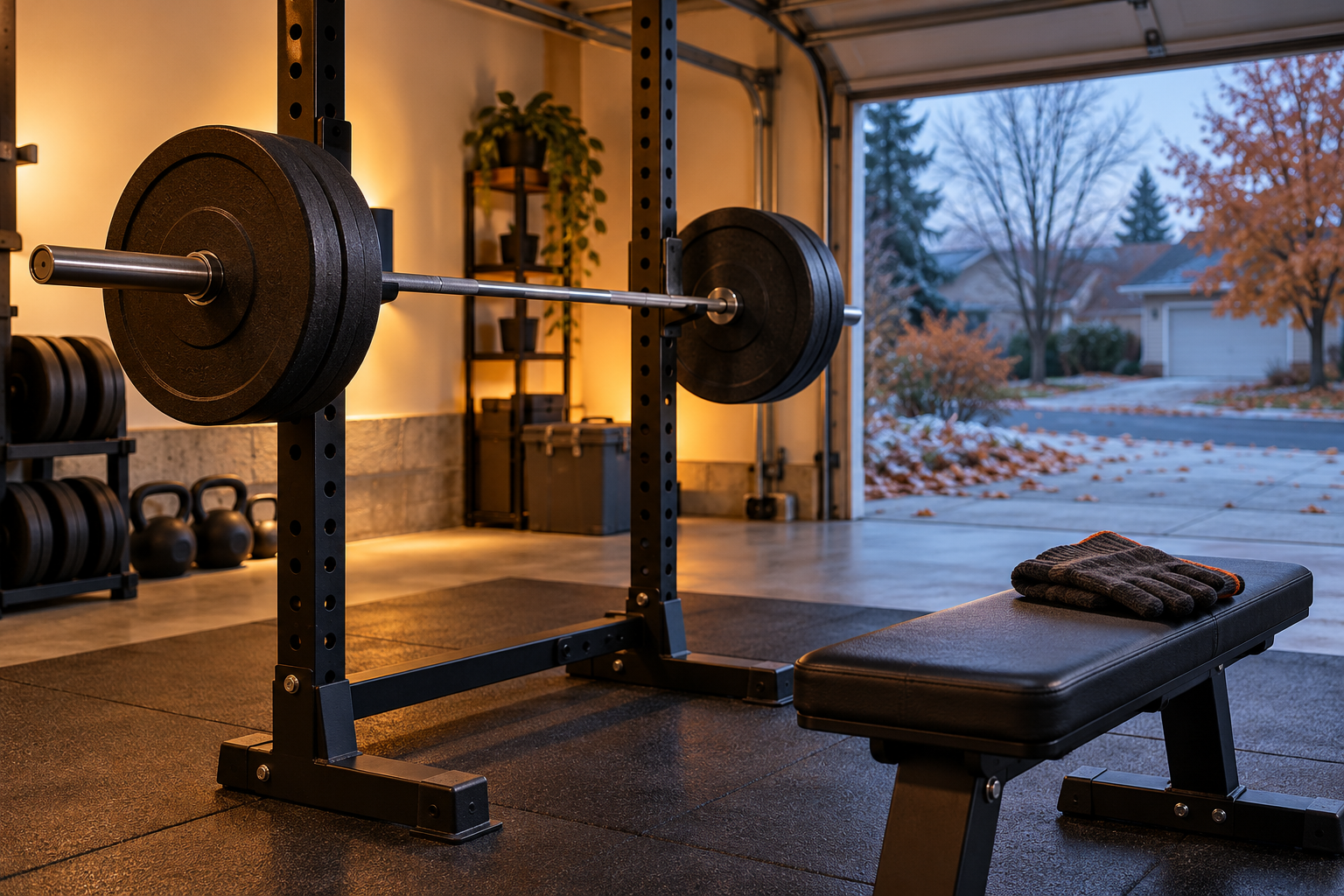
Illustrative AI-generated cover image; it is not a product photograph or evidence of testing.
Sources: NIOSH, Cold and Work: Types, Causes, Preparation; American College of Sports Medicine, Exercising in Hot and Cold Environments. The product name, listed weight, plate fit, and displayed homepage price were checked on WaxmanUSA on October 20, 2026.
Leave a Reply