
No products in the cart.
How to Clean a Home Gym Machine After a Winter Workout
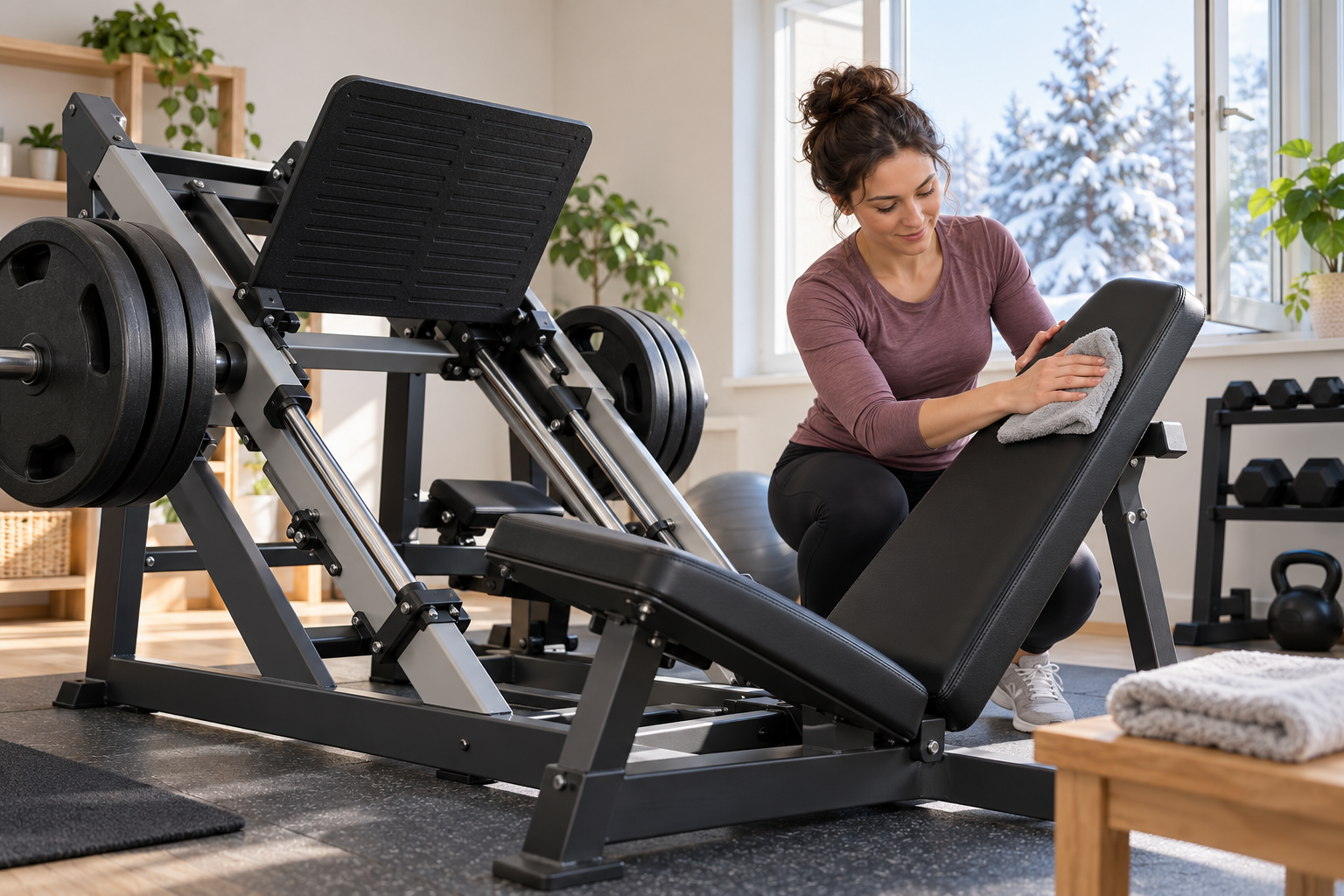
AI-generated illustration of a generic home gym scene. It is not a WAXMAN product photograph, a tested cleaning method, or evidence that a particular cleaner is compatible with any machine.
Quick answer: after a home workout, remove visible sweat and dust from equipment with a soft cloth and a cleaner that the machine maker says is safe for its specific surfaces. Do not assume that household disinfectant, alcohol, bleach, or a heavily wet wipe is safe for upholstery, paint, grips, bearings, or labels. If the manual does not identify an approved cleaner, ask the manufacturer before applying chemicals. Let cleaned surfaces dry fully before the next session.
That label-first approach is especially useful when a home gym gets more use during cold weather, when windows stay closed and equipment may be used by several family members. A routine wipe-down is different from disinfecting shared equipment after every user. The right method depends on the surface, the product label, and the machine instructions.
Start with the machine’s care instructions
Look for the exact owner’s manual for your model, not a guide for a machine that merely looks similar. Check what it says about upholstery, painted or coated metal, handles, adjustment points, and moving parts. Some surfaces tolerate mild soap and water; others may be damaged by solvents or excess moisture. If instructions are missing, contact the seller or manufacturer and ask which cleaner and cloth are approved for the model.
Until you have that answer, keep routine care conservative: turn the machine off or secure it as the manual directs, remove loose dust with a dry microfiber cloth, and blot surface moisture rather than soaking it. Avoid spraying liquid directly onto a machine. Moisture can run into seams, labels, electrical parts, bearings, or other areas that are not meant to get wet. Do not lubricate rails or joints as part of a wipe-down unless the manual calls for it.
A simple post-workout cleaning routine
- Put the equipment in its safe resting position. Follow the machine’s instructions for parking a carriage, engaging locks, and unloading plates. Do not reach around moving parts or clean while another person is using the machine.
- Remove loose dust first. Use a clean, soft cloth on accessible surfaces. A dry pass helps avoid rubbing grit across a finish or into padding.
- Clean only the surfaces and way specified by the maker. If the manual permits a damp cloth or a named cleaner, follow its dilution and application directions. Apply liquid to the cloth only if instructed; do not flood seams, controls, labels, rails, or joints.
- Use disinfectant only when the situation calls for it. If equipment is shared, someone is ill, or a specific hygiene need exists, choose a product whose label allows use on that surface. Follow its directions for pre-cleaning, protective equipment, ventilation, wet contact time, and rinsing. Never mix cleaning products.
- Allow everything to dry and inspect it. Keep the machine unused until surfaces are dry. Look for lifting upholstery, cracked grips, loose fasteners, damaged labels, or unexpected movement; stop using equipment with a safety-related defect and seek manufacturer guidance.
Why “stronger” is not automatically safer
CDC guidance for athletic facilities says shared equipment should be cleaned after each use, allowed to dry, and cleaned according to the manufacturer’s instructions so the cleaner does not harm the item. CDC also notes that product labels explain whether the cleaner is suitable for a surface, how long it must remain wet, and whether rinsing is needed. Those instructions matter because a disinfectant claim does not guarantee compatibility with a machine’s pad, coating, or grip.
For a single-user home machine, use the equipment manual’s routine-care schedule and clean visible sweat or dirt as needed. Do not treat every post-workout wipe as a requirement to disinfect. If a household member has a skin infection or another specific health concern, ask a healthcare professional about precautions and follow the machine maker’s cleaning directions. Disinfectants are for surfaces, not skin or wounds.
What to do when the manual is unavailable
Record the brand, model, and any SKU printed on the frame, then request the care instructions from the manufacturer. Until you receive them, avoid chemical cleaners and excess water; use a dry cloth for dust and blot visible moisture gently. Do not test an unapproved product on an inconspicuous spot if the manual or maker has warned against it, because damage can still spread or affect a safety-critical surface.
The WAXMAN Leg Press Hack Squat Machine, SKU 8968, is listed with adjustable safety limiters and a padded support surface. The public listing does not provide a detailed cleaning procedure, so do not infer that a particular wipe or chemical is approved; request model-specific care guidance when needed.
Product details
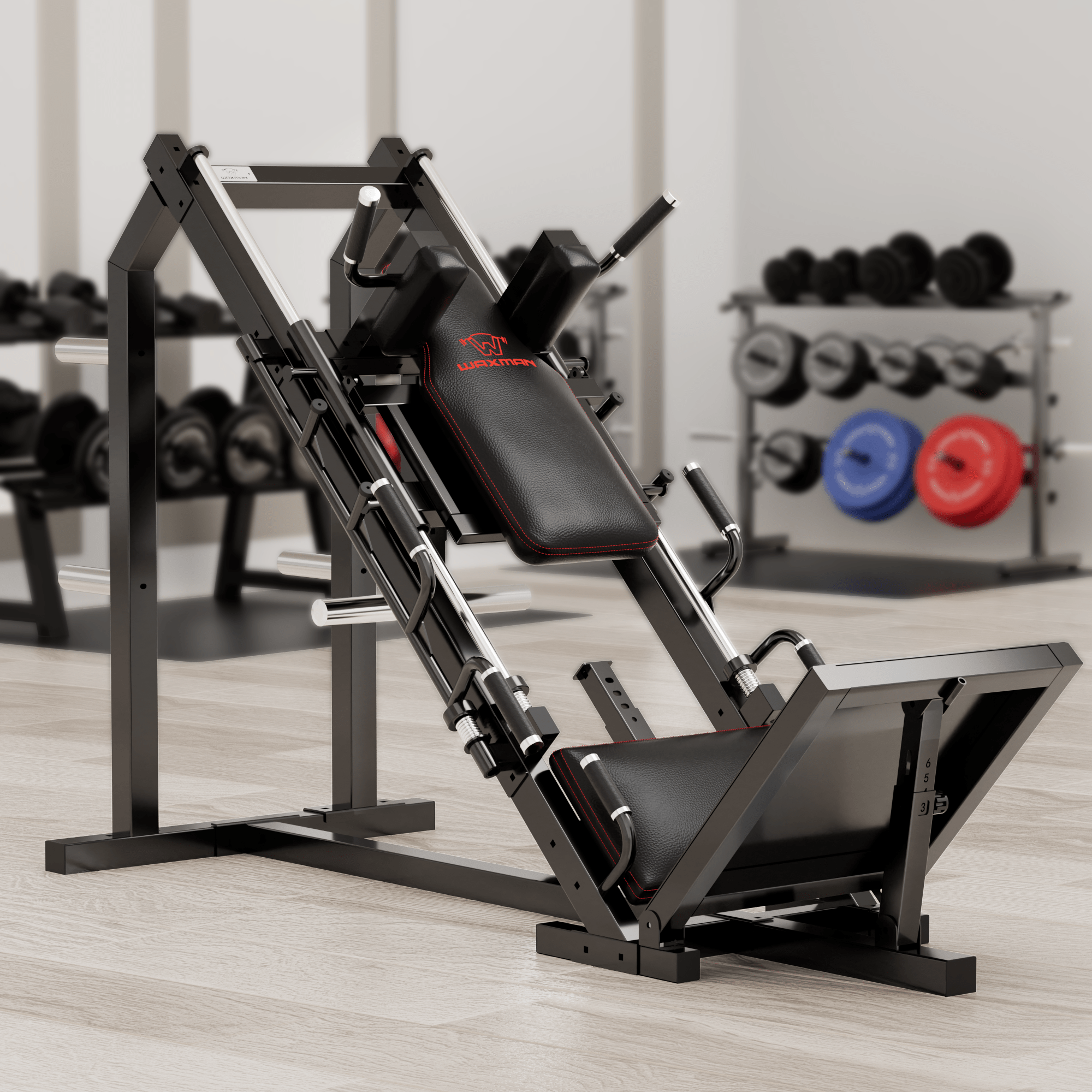
WAXMAN Leg Press Hack Squat Machine — SKU 8968
$799.00 USD (official listing checked October 22, 2026).
- Listed as a two-in-one leg press and hack squat machine
- Three-level adjustable safety limiters
- Plate-loaded bars fit 2-inch Olympic plates
The listing does not specify a cleaning product or full care routine. Price and availability may change; see the product page.
Sources
- CDC, Athletic Facilities: MRSA Prevention and Control (shared equipment cleaning, manufacturer instructions, product labels, contact time, and safe use).
- CDC, When and How to Clean and Disinfect Your Home (surface suitability, contact time, ventilation, and not mixing products).
- WAXMAN official product listing (model features and current displayed price; checked October 22, 2026).
Written with Codex assistance. No human review, equipment test, or medical assessment is claimed.
Leave a Reply