
No products in the cart.
How to Clean an Adjustable Weight Bench After a Home Workout
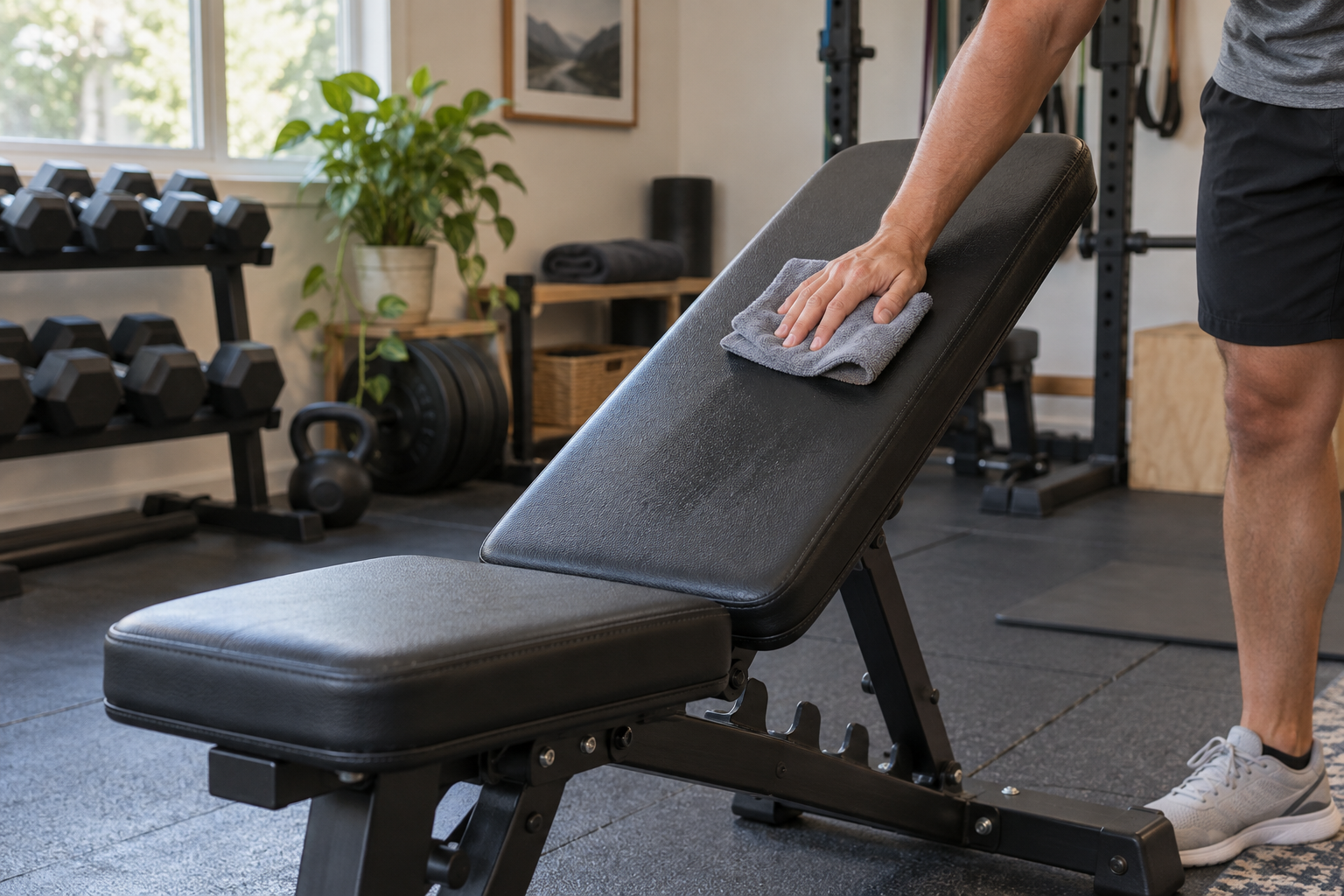
AI-generated illustration for explanation; it is not a product photograph or evidence of testing.
Quick answer: After a home workout, remove visible sweat and residue from an adjustable bench with a clean, soft cloth lightly dampened with water, then dry the pad and frame. Avoid soaking seams, spraying liquid into hinges or adjustment hardware, and applying disinfectants, solvents, or abrasive cleaners unless the bench maker confirms they are compatible with the materials. If the manual gives a cleaning method, follow it first.
Fall often brings workouts indoors and more repeated use of the same bench. A simple wipe-down helps keep the contact surfaces clean, but aggressive chemicals or excess moisture can damage upholstery, finishes, or moving parts. Because bench coverings differ, there is no universal cleaner that can safely be assumed for every model.
Start with the bench’s care instructions
Look for the exact model label and its assembly or care guide. Check whether the maker specifies a cleaner, a dilution, a cloth type, or anything to avoid. If you cannot find the instructions, contact the manufacturer before using a disinfectant or a product containing bleach, alcohol, ammonia, or other strong ingredients. Do not treat advice for a different brand’s vinyl as approval for your bench.
Remove loose dust first with a dry microfiber cloth. This reduces the chance of rubbing grit across the covering. If sweat is present, use a second clean cloth dampened with water; it should not drip. Wipe gently over the pad, paying attention to areas where hands, shoulders, or clothing commonly contact it. Use light pressure around stitched seams and edges. Do not pour water directly onto the bench.
Dry the pad and inspect the adjustment points
Use a dry cloth to remove remaining moisture, then allow the surface to air-dry before covering or storing the bench. Moisture trapped under a towel or cover can linger at seams. Keep water away from hinge gaps, ladder-style backrest adjustments, pins, bolts, and other joints. A wipe-down is not a substitute for inspecting the bench: check that adjustment parts are seated and locked as the manual describes before the next use.
If liquid has entered a seam or mechanism, stop adjusting the bench until it is dry. If you see cracked upholstery, loose hardware, corrosion, unusual movement, or a damaged lock, stop using it and consult the manufacturer or a qualified service provider. Do not apply oil or lubricant unless the instructions identify the part and product to use; lubricant on a pad can also create a slip hazard.
Clean when needed, not with stronger chemicals by default
For ordinary household surfaces, the CDC distinguishes routine cleaning from disinfecting and advises using a product suitable for the surface while following its label. That general guidance does not establish that a particular disinfectant is safe for a weight-bench covering. Unless the manufacturer approves a disinfectant for the exact material, use the conservative cleaning method in the bench manual rather than assuming “gym equipment” can tolerate any spray.
Do not mix cleaning products. Never spray a cleaner onto the bench while someone is exercising or leave a wet surface for the next person. If a household member is ill and you believe disinfection is needed, check both the bench instructions and the product label for compatibility, contact time, ventilation, and protective equipment. If the product is not approved for the material, choose another surface-safe method or ask the manufacturer.
A repeatable post-workout routine
- Put weights and accessories aside so the bench is stable and unobstructed.
- Remove loose dust with a dry, soft cloth.
- Wipe sweat with a clean cloth lightly dampened with water, unless the bench manual specifies another method.
- Dry the pad, seams, and reachable frame surfaces; keep liquid out of the adjustment hardware.
- Let the bench air-dry, then check the adjustment lock before the next workout.
Use a fresh cloth when several people share equipment, and wash reusable cloths after use. Avoid sharing a damp towel between a bench and other surfaces. Cleaning frequency can follow visible soil and use; there is no need to claim that every workout requires chemical disinfection.
When a product card is useful
If you are comparing an adjustable bench for an indoor training area, check the product listing for dimensions, adjustment instructions, and material-care details before purchase. The Waxman adjustable weight bench listing is one option to review; its current price and availability should be checked on the product page because they can change. This article does not claim a specific coating, disinfectant compatibility, or durability rating for that bench.
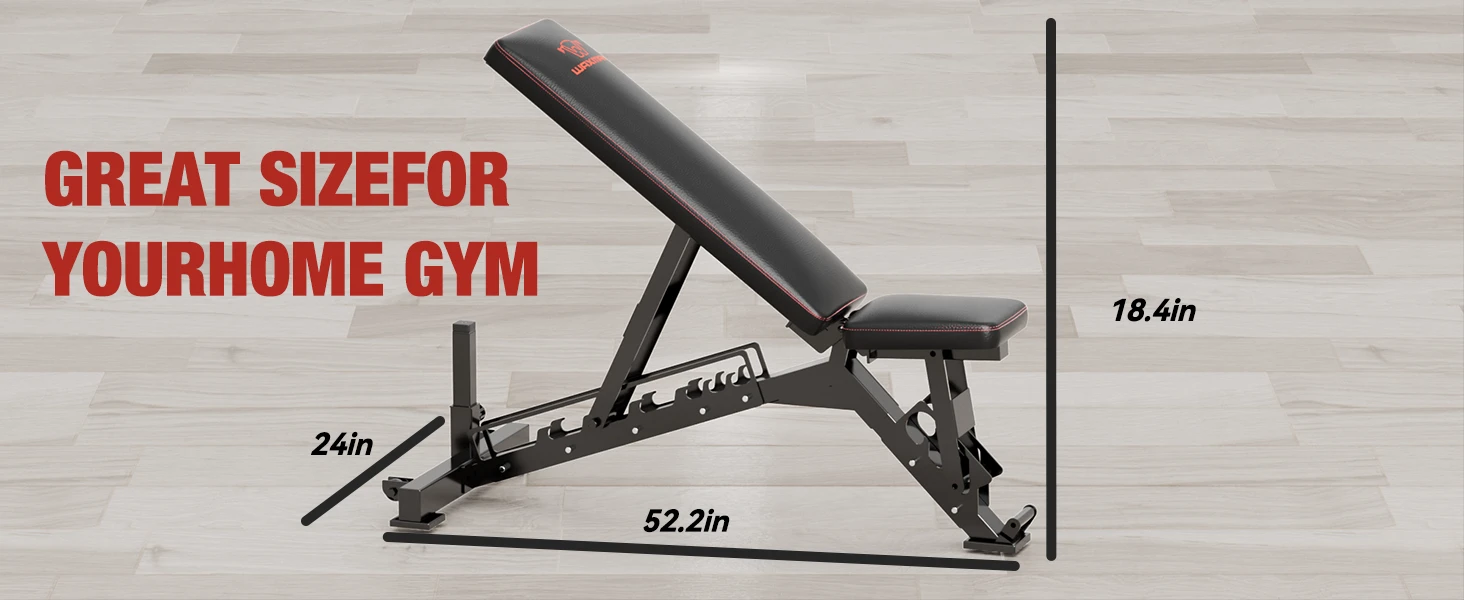
Waxman Adjustable Weight Bench
Adjustable bench listed for home strength training. Confirm fit, care instructions, and current product details on the listing.
View current price
Price and availability may change; see product page.
Source: CDC, When and How to Clean and Disinfect Your Home. The CDC source supports general cleaning and label-following principles, not equipment-specific compatibility. Product details: Waxman official listing; confirm current specifications and care guidance with the seller.
Leave a Reply