
No products in the cart.
Can You Use a Leg Press in an Unheated Garage During Winter?
Quick answer: A cold garage is not automatically a safe place to train. Before using a leg press there, check the room and machine for dampness, ice, unstable footing, and conditions that make you feel chilled or unwell. Warm up gradually, start lighter than usual, and move the workout indoors if the space stays uncomfortably cold, wet, or slippery. There is no universal temperature threshold for every person or machine; follow the equipment manual and your own health guidance.
Winter changes more than the temperature. A garage door can bring in damp air, a concrete floor may be slick, and a machine that is cold to the touch can make setup unpleasant. A brief check before loading plates helps you decide whether to train, adjust, or choose another room.
Check the space before you set up
Look at the floor, not just the thermometer. Clear snow, water, grit, and objects from the approach and the area where you will get on or off the machine. Dry the floor fully; do not put a mat over a wet patch and assume the problem is solved. Use a stable, level surface and keep the path to the machine clear. If the floor is icy or condensation keeps returning, postpone the session or move indoors.
Inspect the machine according to its manual. Check that it is positioned on a suitable surface and that visible parts, fasteners, cables, rails, and safety stops appear normal. Do not improvise lubrication, heat the equipment, or change adjustments to compensate for cold. If movement feels unusual, a part is damaged, or you cannot confirm the correct setup, stop and contact the manufacturer or a qualified service professional.
Warm up before loading the carriage
The National Institute on Aging recommends warming up and cooling down during cold-weather exercise; its examples include walking in place. For a garage workout, begin with several minutes of easy movement in a warmer part of the home if possible. Then do comfortable, unloaded movements that match your planned session. Increase effort gradually rather than beginning with your normal working load. These are general planning suggestions, not a prescribed rehabilitation or strength program.
Keep clothing comfortable and layered so you can adjust as your body warms. Avoid bulky sleeves or loose fabric that could catch on moving equipment. Wear footwear with a secure fit and a sole that grips the clean, dry floor. If you remain chilled, your hands feel numb, or your movement feels less controlled than usual, stop and warm up indoors instead of pushing through.
Make a conservative first set
- Read the exact machine manual and use its instructions for exercise mode, safety limiters, and lockout. Do not infer a setting from a different model or an online photo.
- Start with the carriage unloaded or at a load you can control easily, and rehearse the setup without rushing.
- Confirm that the safety mechanism is engaged as directed before adding plates. If you are unsure how it works, do not use the machine until you have reliable instructions.
- Increase load only in small, manageable steps while maintaining control and a comfortable range of motion. Stop if the carriage moves unexpectedly, the floor shifts, or you feel pain, dizziness, unusual shortness of breath, or numbness.
Cold-weather advice is not a substitute for medical guidance. People with conditions that can be affected by cold or exercise should ask their clinician about suitable precautions. If you develop symptoms that concern you, stop and seek appropriate care.
When to move the workout indoors
Choose a warmer indoor space if the garage is damp, the walking surface cannot be made dry and secure, the equipment behaves differently, or you cannot warm up comfortably. A bodyweight routine or another familiar indoor activity can preserve the habit without requiring a heavy machine session. The right choice is the one that lets you move with control in a space you can inspect.
Takeaway: Treat the garage as a changing environment. Check the floor and equipment, warm up gradually, begin conservatively, and stop when conditions or symptoms make control uncertain. The product listing below identifies one leg press/hack squat option, but its listed features do not establish a cold-temperature operating range; consult the exact manual for model-specific instructions.
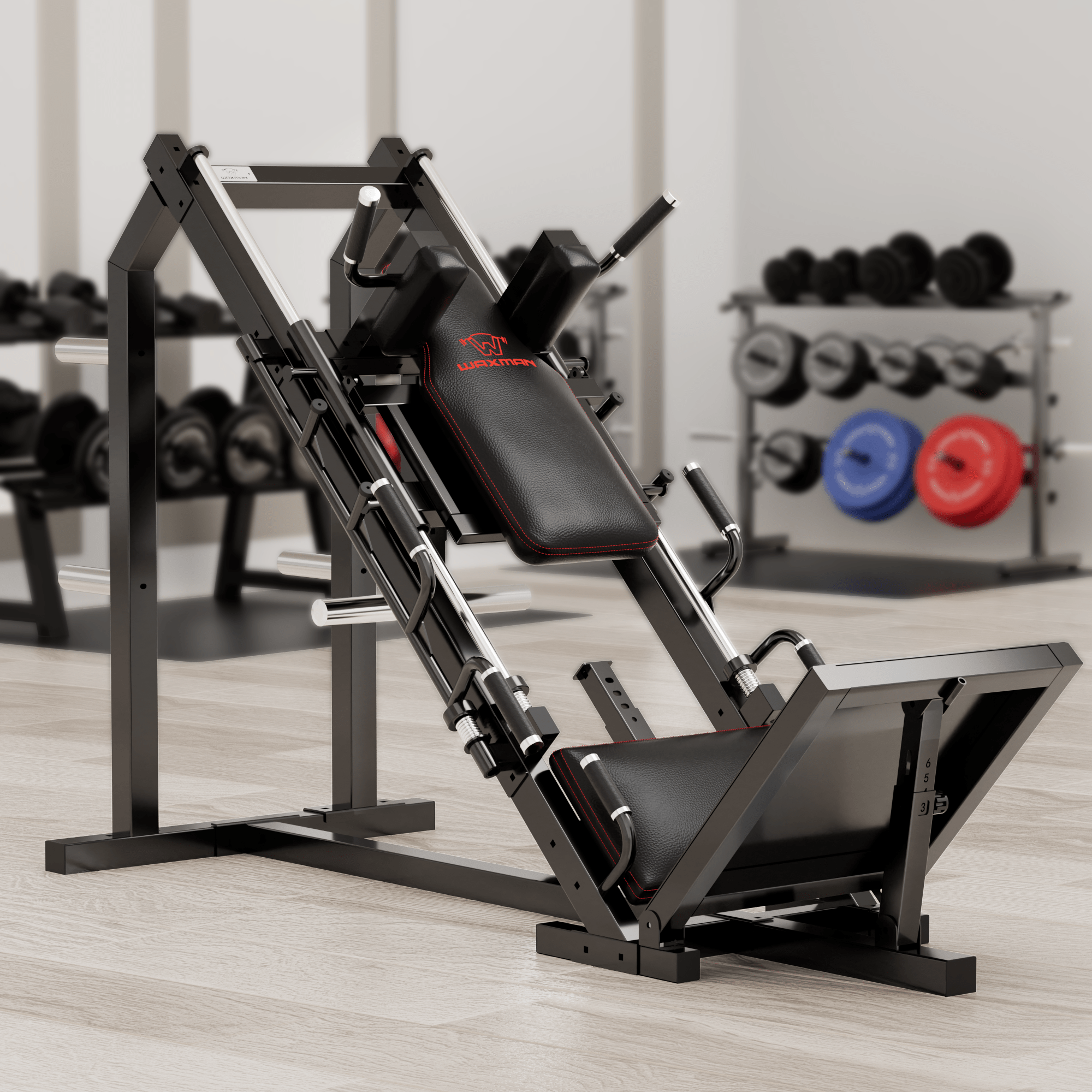
WAXMAN Leg Press Hack Squat Machine
Listed price: USD $799.00
- Two exercise modes: leg press and hack squat, as listed by the seller
- Three-level safety limiters listed
- Assembled dimensions listed: 77.5 × 38.3 × 57.4 inches
Product specifications are seller statements; the listing does not state an operating temperature range. Read the exact manual before use.
View product and current price
Official product page checked October 23, 2026. Price and availability may change; see product page.

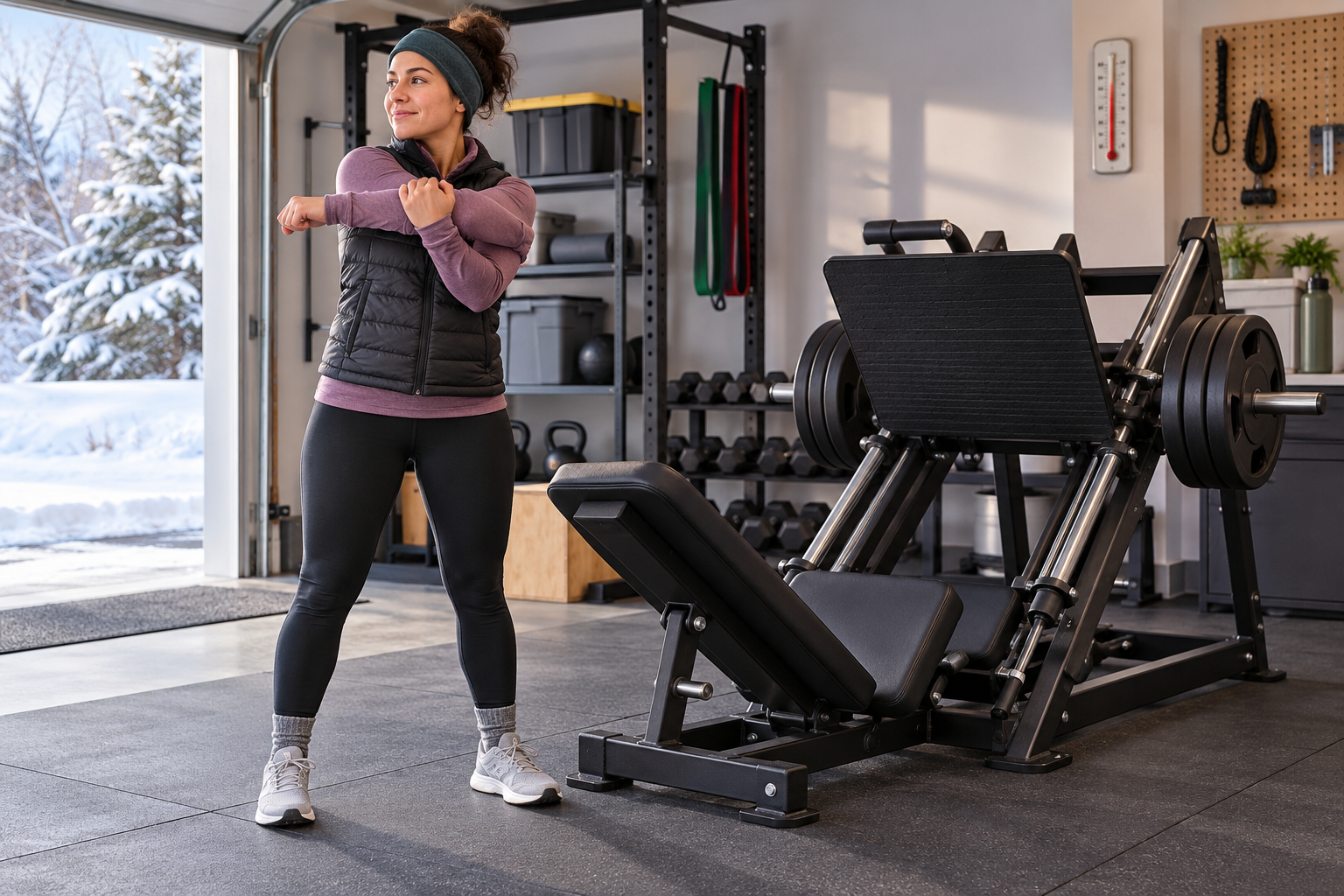
AI-generated illustrative cover; not an official product photo, exercise instruction, or test.
Sources
- National Institute on Aging, “5 Tips for Exercising Safely in Cold Weather” — warm-up, cool-down, clothing, and choosing an indoor option when conditions are unsuitable.
- MedlinePlus, “Indoor fitness routine” — general warm-up advice for indoor exercise.
- WAXMAN official product listing — listed identity, features, dimensions, image, and price. It does not specify cold-weather operating limits.
Prepared with Codex assistance on October 23, 2026. No human review or hands-on test is claimed.
Leave a Reply