
No products in the cart.
How to Restart Home Strength Training After a Holiday Break
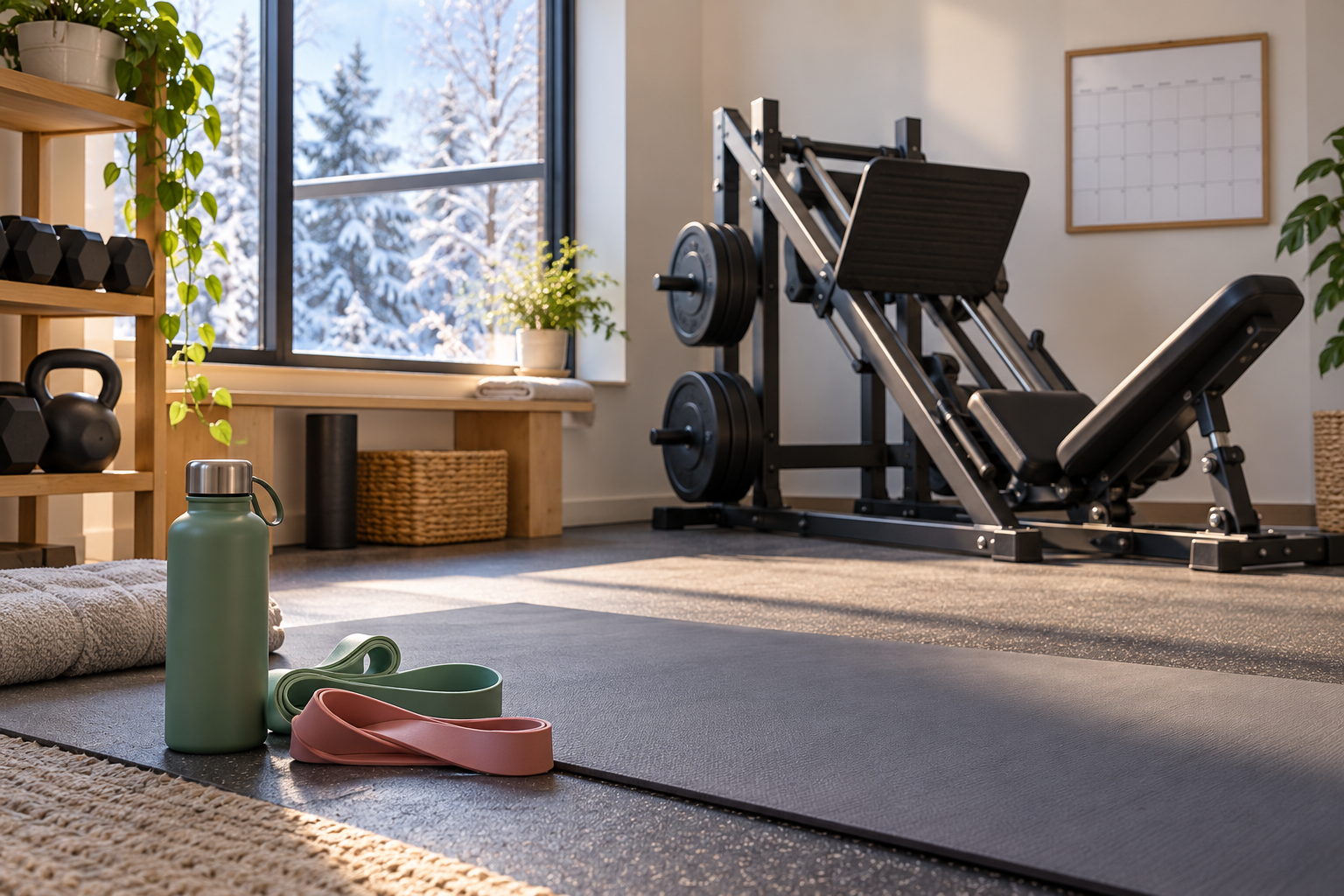
AI-generated illustrative home-gym scene; the equipment is generic and not a photograph of a WAXMAN product, a workout demonstration, or a tested setup.
Quick answer: after a holiday or travel break, restart with a comfortable amount of activity and build gradually. Don’t assume your pre-break weights or schedule still feel right. The U.S. Department of Health and Human Services advises people to start at a comfortable intensity and increase over time; its physical activity guidance also describes lighter movements as a common warm-up for strength training. This is general information, not an individualized exercise plan.
Shorter daylight and colder weather can make an indoor routine appealing, but a calendar does not tell you how much exercise is right for you. Begin with a repeatable schedule, a clear training area, and movements you already know. The first goal is to re-establish the habit and notice how your body responds.
Start with a realistic first week
Choose a small number of days you can protect, then leave space between harder sessions while you rebuild consistency. If you have not exercised for a while, begin below your old volume. You can use a shorter session, fewer movements, or lighter resistance. Do not try to make up for missed workouts by stacking extra sessions into the first week.
Use the U.S. physical activity recommendations as a broad public-health reference, not a personal prescription. The right pace depends on your experience, health, schedule, and any advice you have received from a clinician. If you have a chronic condition, a recent injury, new symptoms, or uncertainty about whether exercise is appropriate, ask a qualified health professional before increasing effort.
Warm up and choose a manageable effort
Give yourself a few minutes to move gently before demanding work. For a strength exercise, the federal guidelines describe warming up with lighter weight as a common approach. On a machine, that may mean practicing the movement with no added plates or a light load if the equipment instructions allow it. The machine’s exact setup, starting position, adjustment points, and safety limiters must come from its own manual.
- Use a load that lets you control the movement and stop comfortably, rather than chasing an old personal record.
- Make small increases only after the current session feels manageable and your technique remains steady.
- Rest when needed. A longer break is better than forcing repetitions through pain, dizziness, or unusual shortness of breath.
- Stop if equipment shifts, a safety part does not engage as expected, or the machine makes a new grinding or impact sound.
These are conservative reminders, not a substitute for an exercise professional or the manufacturer’s instructions. Don’t adjust a machine’s safety parts by guesswork. If something does not match the manual, pause and contact the seller or a qualified technician.
Make an indoor routine easier to repeat
Set up your workout area before the session: clear the route to the equipment, keep water nearby, and place shoes or other items where they will not become trip hazards. Decide which exercises you plan to do before loading equipment. A short written plan reduces the temptation to improvise heavier work because the first session feels easy.
Use a simple log of the date, movement, load, and how the session felt. The purpose is to observe your own response, not to make a performance claim. If you return after travel, illness, or an injury, record those circumstances so you can avoid comparing unlike sessions. Consistency over several weeks matters more than a dramatic first day.
Know when to wait or ask for help
Skip a planned session if the equipment is damaged, unstable, or missing instructions needed for safe use. If the room is cold, warm up in a way that feels comfortable before increasing effort. Stop for chest pain, faintness, severe or unusual breathlessness, or a sudden injury, and seek appropriate medical care. For ongoing joint pain or symptoms that recur with exercise, get qualified advice instead of repeatedly testing the same movement.
For anyone returning after a long break, a professional trainer can help check technique and adapt a routine. A clinician can address medical concerns. This article does not establish a safe load, exercise range, or progression for a particular person or machine.
About the featured equipment
The WAXMAN Leg Press Hack Squat Machine listing identifies a two-in-one leg press/hack squat design, adjustable safety limiters, and 2-inch Olympic plate fit. Those are listing details; they do not determine a suitable starting load or replace the product manual. The product is large, so use the manufacturer’s setup instructions and have a qualified person assess any installation or floor questions.
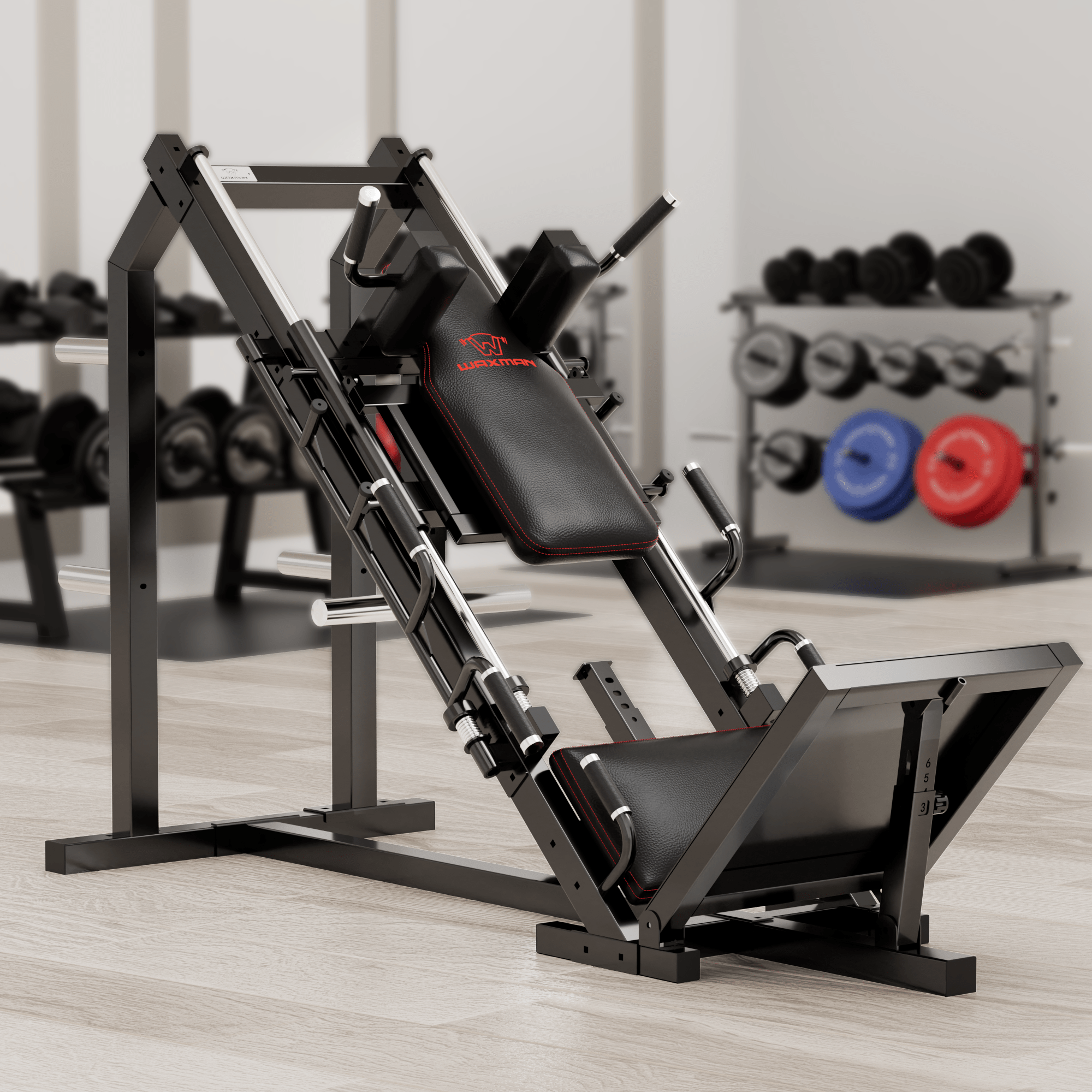
WAXMAN Leg Press Hack Squat Machine, SKU 8968
- Two-in-one leg press/hack squat listing.
- Adjustable safety limiters; fits 2-inch Olympic plates, as listed.
- $799.00 USD displayed October 22, 2026; product availability was not stated.
Price and availability may change; see product page. Listing specifications are not independent performance or safety tests.
Source: U.S. HHS Office of Disease Prevention and Health Promotion, Seasonal Strategies for Staying Active in Colder Months (start at a comfortable intensity and increase gradually); WAXMAN product listing. No product testing or personalized exercise advice is claimed.
Written with Codex assistance. No human review or machine test is claimed.
Leave a Reply